
Community
GNWT expands early child care spaces
The territorial and federal government have been working together to expand child care opportunities, and have opened up more than 300 new spaces

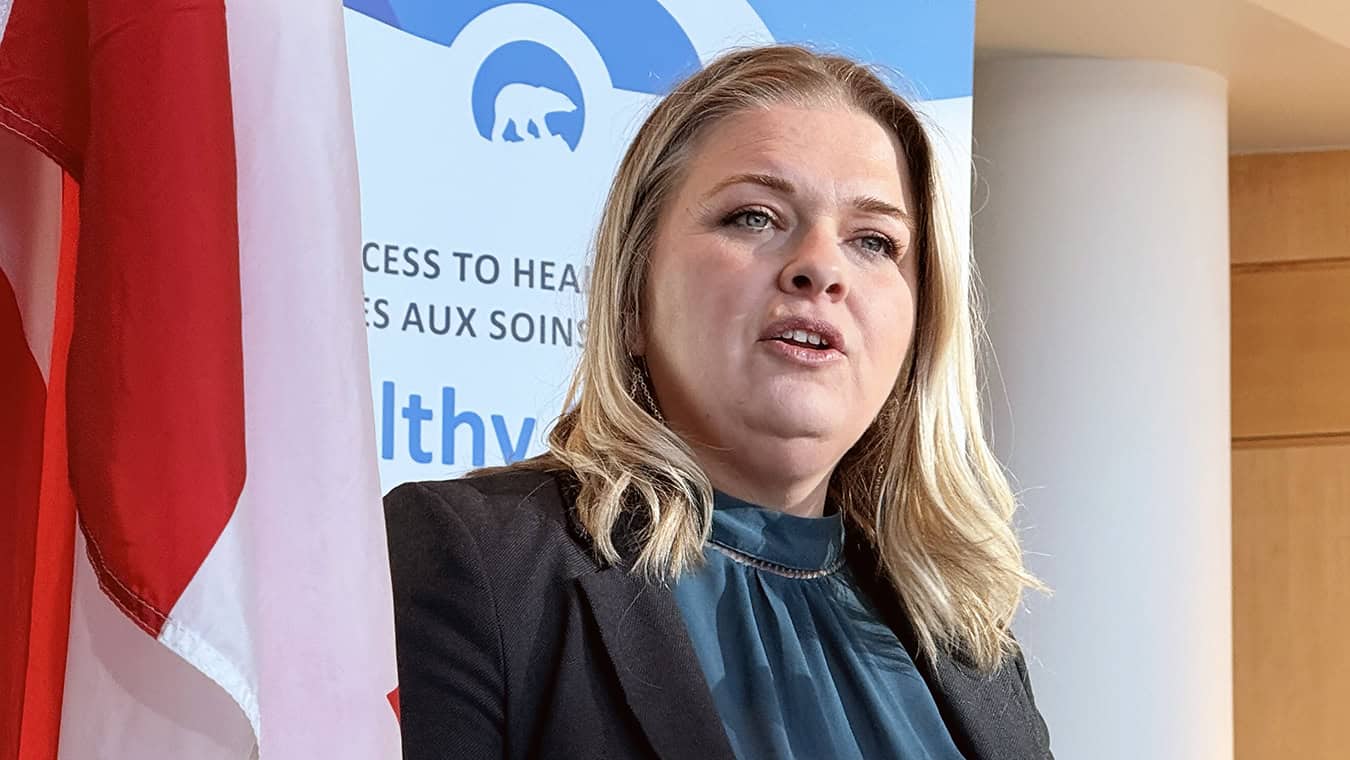
Access to early child care in the NWT has just been expanded.
Working with the Federal Government, the GNWT has announced the creation of 355 new child care spaces, as of September 30th of last year.
These spaces support families and job creation in Northwest Territories’ (NWT) communities while allowing parents to return to work or school knowing their children are cared for in safe, licensed environments.
This achievement reflects the success of the GNWT’s partnership with Canada to expand access to high-quality early learning and child care, through a combination of territorial funding and federal funding under the Canada-NWT Canada-wide Early Learning and Child Care Agreement – including the Early Learning and Child Care Infrastructure Fund – and the Canada-NWT Early Learning and Child Care Agreement.
Caitlin Cleveland, the Minster of Education, Culture, and Employment called this development “a milestone that gives more chances for children to learn and for parents to find the stability they need for work or school. But, our work here is not finished. Looking ahead, we will continue to work with the Government of Canada to ensure an equitable, sustainable funding approach that addresses the unique realities of the territories and makes licensed childcare available in more NWT communities.”
Families in the NWT and other northern jurisdictions face unique challenges compared to the rest of Canada when it comes to accessing licensed early learning and child care. 14 of the 33 communities in the Northwest Territories are still without licensed programs for children from birth to three years of age. Meeting the GNWT’s space-creation target underscores the importance of continued partnership with Canada for approaches that ensure equity for the territories – including consideration of northern realities such as remoteness, small populations, and higher operating costs.

